





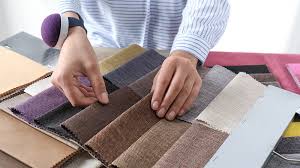
A systematic evaluation is necessary when choosing a durable fabric for furniture. The importance of a solid frame and supportive cushions is clear, yet the fabric has the most immediate impact on long-term practicality and style. An ideal fabric successfully merges enduring durability with comfort, simple care, and thoughtful design.
We will now walk you through the key considerations and tests—like the abrasion and pilling test—to ensure you select fabric that looks beautiful and stands the test of time.
Understanding Durability: It’s More Than Just “Tough”
A fabric’s durability for furniture use refers to its extended opposition to physical wear, staining, photochemical fading, and maintenance. This enduring quality directly enables the material to preserve its appearance, foundational support, and comfort throughout its service life.
Key factors influencing durability include:
- Fiber Content: The material the yarn is made from.
- Weave & Construction: How the yarns are intertwined.
- Finishes: Chemical treatments applied for performance.
- Performance Testing: Scientific validation of durability claims.
Step 1: Analyze Your Lifestyle and Usage
Start by thoroughly analyzing your daily living patterns. Fabrics for busy households with kids and pets demand superior durability and stain resistance; seek out tight weaves and synthetic blends.
Adult households or formal rooms permit a wider range of options, including linen or silk. In cases involving allergies, opt for tightly woven textiles to reduce dust retention and simplify cleaning.
Follow this essential principle: ensure the fabric’s durability rating exceeds the intensity of use you anticipate.
Step 2: Decode Fiber Content – Natural vs. Synthetic
Fiber content forms the basis of a fabric’s character and dictates its performance. Making a durable choice necessitates grasping the key contrasts between natural and synthetic origins.
Natural fibers derived from plant or animal sources give a timeless aesthetic and comfort. Cotton is soft and breathable, but it requires a thick weave or mix to prevent wrinkling and stains; sturdy canvas is a high-thread-count option.
Linen provides cool strength, but its inclination to wrinkle and abrade makes mixed constructions ideal. While wool hides filth and resists stains, its pilling habit and the need for expert cleaning typically led to its employment in mixes.
Synthetic fibers are designed to be resilient. Polyester is widely used because it is resistant to wrinkling, fading, and abrasion. Nylon provides exceptional tenacity for commercial applications, but with the risk of static. Olefin (polypropylene) is naturally stain, moisture, and fade resistant, making it ideal for high-traffic areas.
Experts agree that mixed textiles frequently give the best answer by harmonizing complementary fiber qualities.
Step 3: Examine Fabric Construction & Weave
Fabric construction and weave merit thorough examination, as they are foundational to durability alongside fiber type. Tight weaves, such as twill and damask, achieve notable durability through their compact thread structure.
Certain specialized applications benefit from synthetic velvet, which effectively conceals abrasion marks, and microfiber, which provides a soft yet stain-resistant surface. Knit fabrics can also contribute to lifespan by allowing for stretch under tension. In contrast, loose or lightweight weaves generally exhibit unsuitability due to their tendency for rapid wear.
Step 4: Look for Performance Finishes & Treatments
Fabric durability extends beyond weave and fiber through applied technologies. Treatments like stain repellents create a liquid-beading surface barrier.
Additional finishes provide resistance to soil and moisture, prevent microbial odors, and block UV radiation, a key defense against fading for sun-exposed furniture.
Step 5: Trust the Tests – Understanding Rub Counts and More
This is where science takes the guesswork out of your decision. Reputable fabric manufacturers subject their products to standardized tests.
The Martindale Test (Rub Count)
This is the universal standard for measuring abrasion resistance. A fabric sample is rubbed in a figure-eight motion under pressure until it shows signs of wear (yarn breakage, pilling).
The number of cycles it endorses determines its grade:
- 15,000+ double rubs: Suitable for decorative cushions and light residential use.
- 15,000 – 25,000 rubs: Good for general family use (e.g., occasional seating).
- 25,000 – 45,000+ rubs: Excellent for daily use on primary furniture like sofas and chairs.
- 50,000+ rubs: Heavy-duty, suitable for commercial settings.
Select a fabric with a minimum rating of 25,000 double rubs for a primary family sofa. This established benchmark derives from controlled laboratory tests employing specialized machinery. Abrasion and pilling testers generate the consistent performance data that manufacturers use to determine and publish their fabric durability ratings.
Wyzenbeek Test
A similar abrasion test is used primarily in North America, using a back-and-forth motion.
Pilling Test
Assesses the fabric’s tendency to form those tiny, fuzzy balls on the surface. A good durability rating implies good pilling resistance.
Step 6: Prioritize Cleanability and Upkeep
The longevity of a durable fabric depends on proper cleaning, which the manufacturer’s code dictates. Critical code definitions include:
- W: Permits cleaning with mild, water-based foam.
- S: Mandates dry-cleaning solvents to prevent damage.
- W-S: Offers flexibility with either cleaner type.
- X: Is most restrictive, allowing only vacuuming.
Choose engineered performance fabrics like as Crypton, Sunbrella, or Perennials for optimal convenience. These textiles combine durability and stain resistance with simple washing with soap and water.
Step 7: Don’t Forget Color, Pattern, and Texture
Consider the visual performance of a durable fabric, since its structural strength alone cannot ensure a lasting appearance. Mid-tone colors and patterns best maintain a fresh look because solid, very light, or very dark fabrics highlight stains and dust so readily.
For effective concealment of daily wear and tear, use tweeds or busy patterns like florals and geometrics. Texture also offers a significant visual advantage; a nubby bouclé or ribbed weave will hide imperfections far more effectively than any smooth, flat surface.
Conclusion
Upholstery selection is a methodical process that includes three components: your lifestyle, material inherent features, and statistically confirmed performance data.
Ensure that your intended usage matches essential technical requirements such as fiber composition, weave type, and durability rating. Prioritize objective requirements, especially abrasion resistance, over emotional sentiments.
This analytical technique produces furniture that lasts visually and functionally for a long period.