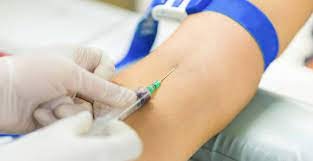






Here’s a fun question, readers.
What does your blood say about you? More than you might expect.
And that’s why blood tests are a great way to assess your overall health. From nutritional deficiencies to early signs of chronic disease, these tests can help you understand what your body is going through. And all that without waiting for symptoms.
While there are several types of blood tests you can take, here are a few common ones that can give you a clearer picture of your body’s health status.
So dive in as we explain each of these tests and what they mean for you.
Understanding The Common Blood Tests & Their Implications
Let’s understand more about some of the common blood tests:
- CBC
CBC or Complete Blood Count is a simple blood test that measures your red blood cells (RBC), white blood cells (WBC), haemoglobin, and platelets. It helps you know whether you might be suffering from conditions like anaemia, certain infections, inflammation or even a clotting problem.
- Lipid Profile Test
A lipid profile test measures the levels of cholesterol in your blood. This includes total cholesterol, LDL (bad cholesterol), HDL (good cholesterol) and triglycerides.
According to research, high cholesterol and triglycerides, along with LDL, can trigger the formation of plaque on your arteries, which increases the risk of heart disease and stroke. On the contrary, a combination of low LDL and higher HDL is good for your heart health.
This test is particularly useful for people who have diabetes, high blood pressure or a family history of heart disease.
- Liver Function Test
LFT includes a group of blood tests that measure liver health markers like liver enzymes (ALT/AST), bilirubin, and proteins (albumin). The liver is your body’s largest gland and a metabolic hub. It clears toxins, synthesises proteins and bile, which plays an important role in fat digestion.
If your blood reports show an abnormal level of ALT/AST, bilirubin or alkaline phosphatase, it could be indicative of hepatitis, fatty liver, bile duct issues or liver damage. And while an irregular LFT does not necessarily point towards a serious health issue, it does show a pattern or degree of underlying liver problems. This can be very useful in managing such conditions early on.
- Kidney Function Test
The Kidney Function Test (KFT) evaluates how well your kidneys are filtering waste and excess fluids from the blood. It primarily measures blood markers like creatinine, blood urea nitrogen (BUN), and estimated glomerular filtration rate (eGFR).
Healthy kidneys maintain stable levels of these substances. An elevated creatinine or urea, or a low eGFR, may indicate reduced kidney function, dehydration, or early kidney disease. Since kidney damage often develops silently, KFT plays a crucial role in its early detection. This is especially true for people with diabetes, high blood pressure, or a family history of kidney disorders.
- Thyroid Panel Test
A Thyroid Panel measures key hormones secreted by your thyroid gland. This includes TSH, T3, and T4; hormones that regulate metabolism, energy levels, body temperature, and heart rate. When these hormones go off balance, it can affect weight, mood, menstrual health and overall well-being.
When the TSH levels are high, but the T3 and T4 are high, it usually indicates hypothyroidism. And when the TSH is low but the T3 and T4 become elevated, it suggests hyperthyroidism. Even a mild dysfunction of the thyroid gland can impact cholesterol levels and how well your body controls blood sugar.
This test helps doctors to diagnose thyroid conditions accurately and also monitor how well the treatment is progressing. This makes the thyroid panel an important part of routine health assessments, especially in women.
- Diabetes Panel Test
A diabetes panel usually includes tests for fasting blood sugar and HbA1c. Both tests have their own significance.
A fasting blood sugar test, as the name suggests, is done on an empty stomach. A higher-than-normal level can be suggestive of prediabetes or diabetes.
HbA1c test, on the other hand, gives you a lowdown on your past 2–3 months’ average blood sugar.
Summing Up
These common blood tests can be a simple and ideal way to understand your health better. While most diseases start showing symptoms only at a later stage, these tests can help to catch issues on time. Timely detection means better management.
If you’re considering booking these tests, you can opt for LifeCell’s Ayushman Basic, an umbrella test panel that includes all of the tests we mentioned above. LifeCell Diagnostics is India’s fastest-growing diagnostic service provider. They offer hassle-free home sample collection by well-trained phlebotomists and deliver quick, accurate reports within 14 hours.
To book a test through them, simply call 18002665533.