




HR teams now rely on digital systems to understand employee needs, improve communication, and measure overall workplace sentiment. A dashboard plays a central role in connecting these elements, helping leaders track trends and respond quickly. Companies want clarity and real-time insights to manage engagement across departments.
The rise in modern platforms has increased interest in how an employee engagement dashboard works and what features actually matter. The right dashboard helps companies strengthen satisfaction, productivity, and internal culture.
Real-Time Insights That Guide Better Decisions
An effective dashboard provides real-time insights that allow HR teams to act quickly. Leaders see changes in sentiment, participation, and performance without waiting for monthly reports. Immediate visibility helps teams recognize issues early and respond with targeted action. Real-time tracking also supports fast-moving workplaces where decisions cannot rely on delayed information. Companies benefit from dashboards that update continuously and display data clearly. When information arrives instantly, leaders build stronger, more responsive strategies.
Clear Visuals That Simplify Complex Data
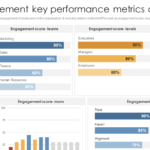
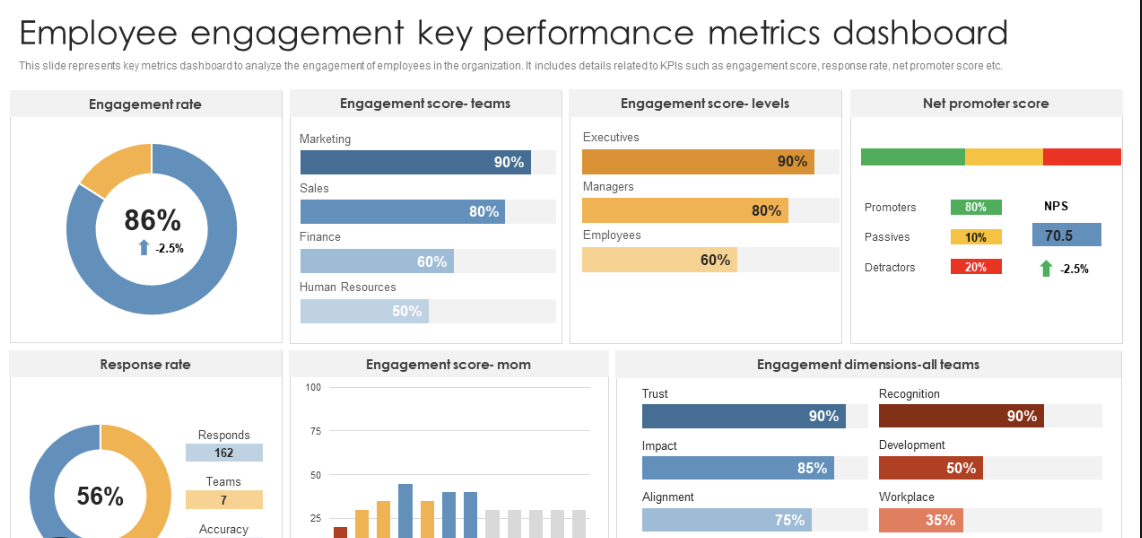
A strong dashboard uses visuals like graphs, heat maps, and trend lines to present information clearly. HR teams often manage large sets of data that become overwhelming without visual support. A simple design helps leaders read patterns within seconds. Good visuals reduce confusion and improve storytelling when teams share updates with management. A clean layout also improves adoption across departments. Dashboards should make data feel easy to understand, not technical or complicated.
Customizable Metrics That Match Company Priorities
Different workplaces track engagement differently, so customization matters. A good dashboard lets HR teams choose the metrics that reflect their goals. Companies may focus on well-being, recognition, communication, or productivity indicators. Custom settings allow leaders to select and adjust what they track throughout the year. This flexibility ensures the dashboard matches business changes without forcing new tools. A feature-rich dashboard grows with the company rather than becoming outdated.
Feedback Integration for Continuous Improvement
Feedback plays a major role in engagement, and a useful dashboard supports surveys, polls, and open response tools. HR teams track participation and sentiment trends in one place. This helps organizations detect concerns early and understand what employees value. Integration makes feedback easier to collect and analyze. Leaders respond faster because insights remain accessible in a single system. Feedback features also strengthen communication and build trust across teams.
Recognition Tracking That Supports Employee Motivation
Recognition improves morale, and dashboards that track recognition activities create visibility across departments. Companies use this feature to celebrate achievements, align teams, and highlight contributions. Recognition tools help employees feel valued and connected to workplace goals. Dashboards show which areas receive recognition consistently and which need more attention. These insights help HR teams build stronger appreciation programs. Motivation increases when recognition becomes public, fair, and timely.
Analytics That Highlight Engagement Trends
Advanced analytics help HR teams find long-term patterns that affect performance and retention. Dashboards with strong analytics show changes in satisfaction scores, feedback participation, and team sentiment. Companies use these insights to adjust strategies and refine initiatives. Analytics also help identify teams that need additional support. Many organizations combine these trends with employee engagement tools to create stronger engagement plans. Data-backed decisions remain essential for long-term success.
Integration Capabilities That Support Smooth Workflows
Dashboards that integrate with communication platforms, HR systems, and performance tools improve efficiency. HR teams avoid switching between multiple systems, which saves time and reduces errors. Integrations also support clearer reporting because information stays connected across platforms. A seamless experience encourages employees to participate more actively. Workplaces benefit from smooth, centralized systems that reduce friction and improve daily employee experiences.
Security Features That Protect Sensitive Information
Employee engagement data includes sensitive feedback, survey responses, and behavioral insights. A secure dashboard protects this information through encryption, restricted access, and compliance measures. Employees feel more comfortable sharing honest feedback when they trust the system. HR teams reduce risks by using dashboards with strong security architecture. Secure platforms also help companies follow data protection laws. Trust increases when employees know their information remains safe.
Goal Alignment Features That Keep Teams Focused
A strong engagement dashboard helps employees understand how their work connects to broader company goals. Clear alignment builds purpose and helps teams stay focused on priorities. HR leaders use alignment features to share updates, track progress, and highlight key milestones. Employees appreciate clarity because it reduces confusion and strengthens motivation. Dashboards that display goals visually make expectations easier to follow. This alignment supports better teamwork and reduces friction across departments. A shared view of goals encourages consistency and improves overall performance.Companies investing in an employee engagement dashboard want tools that simplify insights, strengthen communication, and support long-term engagement strategies. Dashboards with strong visuals, real-time data, feedback options, and security features help teams understand employee needs quickly and accurately. A thoughtful system improves participation and builds a stronger organizational culture. When HR teams choose dashboards with the right features, they create workplaces where employees feel connected, supported, and motivated to grow.