




Football goals have a fixed size. And great goalscorers are also featured at 1xBet as well. This is because the modern game depends on a universal, standardized target that keeps matches in 3 ways:
- fair;
- comparable;
- and competitively balanced across the world.
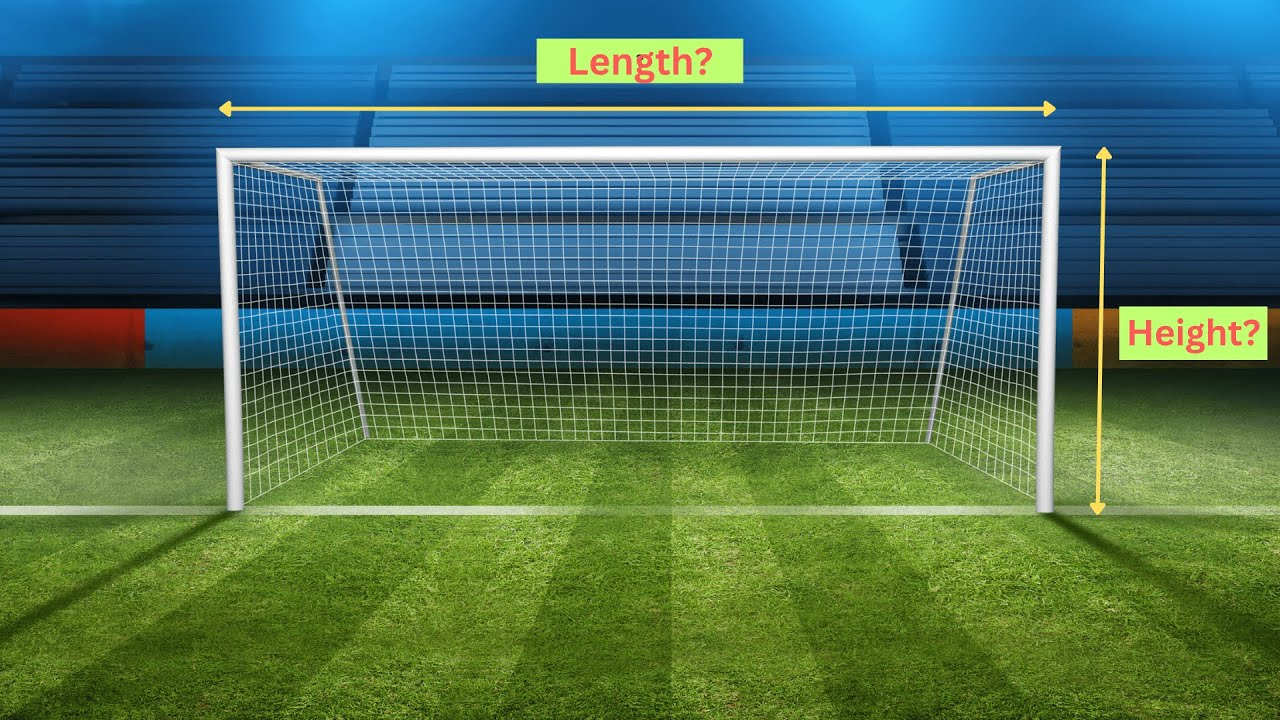
The official dimensions, 7.32 metres wide and 2.44 metres high, are defined by the International Football Association Board (IFAB) and have been used for senior football for well over 100 years. These measurements correspond neatly to older imperial units (8 yards by 8 feet). They were already in use when the Laws of the Game were first codified in the 19th century and have remained essentially unchanged since. And many aspects about the Laws of football are also available for betting by using the 1xBet platform too.
The main reason for this specific size is balance. A football pitch is large, and scoring would be either too easy or impossibly hard if the goal were significantly different. The width and height were settled on as a compromise that allows skilled attacking play to succeed with precision, while still giving goalkeepers a realistic chance to defend the space. In effect, the dimensions define the “problem” that football constantly tries to solve: how to reliably create and finish chances against a well-organised defence.
Finding the right size
Geometry also plays a role. From common shooting positions, the 7.32m width creates narrow but exploitable angles, meaning placement matters as much as power. The 2.44m height similarly ensures that shots above a goalkeeper’s reach require accuracy rather than brute force. If the goal were larger, scoring would become more random. Instead, if smaller, matches would become overly defensive and low-scoring. Modern analyses of the laws of the game emphasise that the fixed size preserves tactical variety and keeps both attacking creativity and goalkeeping skill central to football.
Finally, there are 2 other aspects that have also influenced the design, which are safety and practicality. Goalposts must have 3 features: be rigid, securely anchored, and of limited thickness so they do not create unfair rebounds or hazards. Contemporary regulations and FIFA testing standards ensure goals do 3 things: withstand physical stress, remain stable during collisions, and behave consistently in professional environments. This turns the goal from a simple frame into a carefully engineered piece of sporting equipment.