





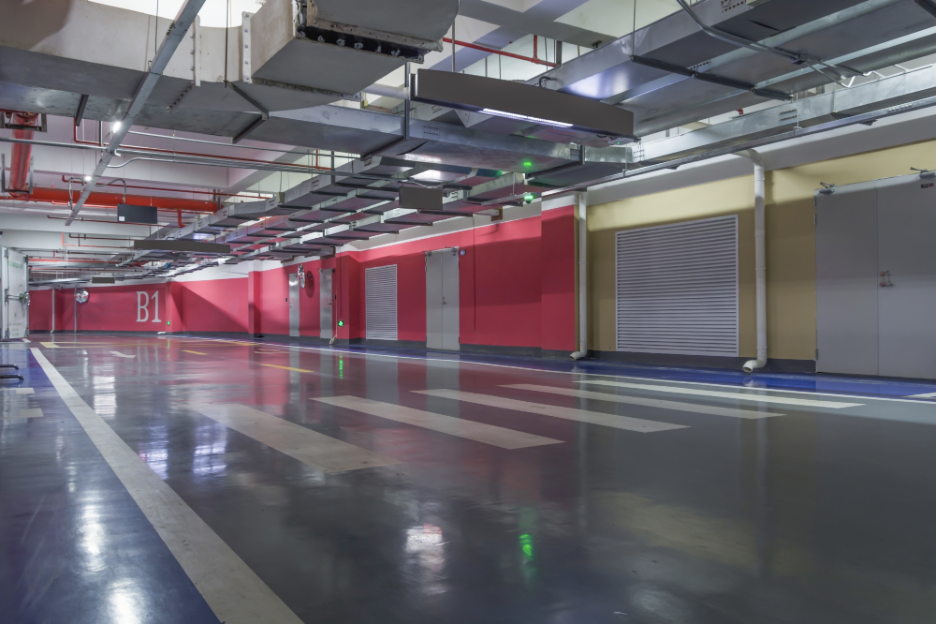
Garage and warehouse floors are used heavily on a daily basis. Plain concrete can gradually deteriorate due to the presence of cars, tools and machines. This can cause cracks, stains and dust which are difficult to maintain. A lot of people select epoxy because it supplies a heavy layer over the concrete, and it assists to safeguard the concrete. It also has the benefit of making your floor last longer, with less damage over time.
Strong Floor That Handles Heavy Use
Epoxy adds a hard surface to the concrete, making the floor much stronger. This makes it useful for supporting heavy vehicles like cars, trucks, and machines without breaking. It also distributes the weight of the load evenly to prevent the floor from wearing out quickly. Structural adhesivescan also be used in certain building work to ensure that materials are firmly joined together for extra support in load-bearing areas.
Protection from Stains and Spills
Oil, fuel and other spills are common on the floors of garages and warehouses. These can be absorbed by normal concrete, causing difficult-to-clean stains. Epoxy can prevent this from happening by sealing the surface.
Epoxy floors are smooth, which makes it easy to remove dirt and dust. This makes cleaning easy and quick, using only a broom or mop. It also helps reduce fine dust from concrete, which can build up in closed spaces. This will help keep the area cleaner and with less effort per day.
Safety is very important in busy spaces. Epoxy can be modified to make it less slippery to prevent slips and falls. It is also light-reflecting, so the area will be brighter without an extra light. This makes it easier for workers to see and move around safely; even in big warehouses or garages.
What surfaces will epoxy not stick to?
Epoxy does not stick well to dirty, wet, or oily surfaces. It also has trouble sticking to very smooth or shiny floors like sealed tile, glass, or plastic. If the surface has dust, grease, or water, epoxy will not bond properly. The floor needs to be clean and dry first so it can stick well and last longer.
Can mold grow under epoxy?
Yes, mold can grow under epoxy if moisture gets trapped below it. Epoxy itself does not let water pass through, so if the concrete underneath is wet, mold can form over time. This is why the floor must be fully dry before applying epoxy. Good preparation helps stop moisture and mold problems.
Can I put new epoxy over old epoxy?
Yes, you can apply new epoxy over old epoxy, but the surface must be prepared first. The old layer needs to be cleaned and lightly sanded so the new coat can stick. If the old epoxy is peeling or damaged, those parts should be removed before adding a new layer.
Epoxy is a durable and easy-to-maintain floor type for high-traffic areas. It saves concrete, simplifies cleaning and enhances safety. It is also suitable for use in areas where strong bonding is required, sometimes using structural adhesive.